
21 May Google Just Rebuilt the Search Box for the First Time in 25 Years. Our Clients Were Ready.
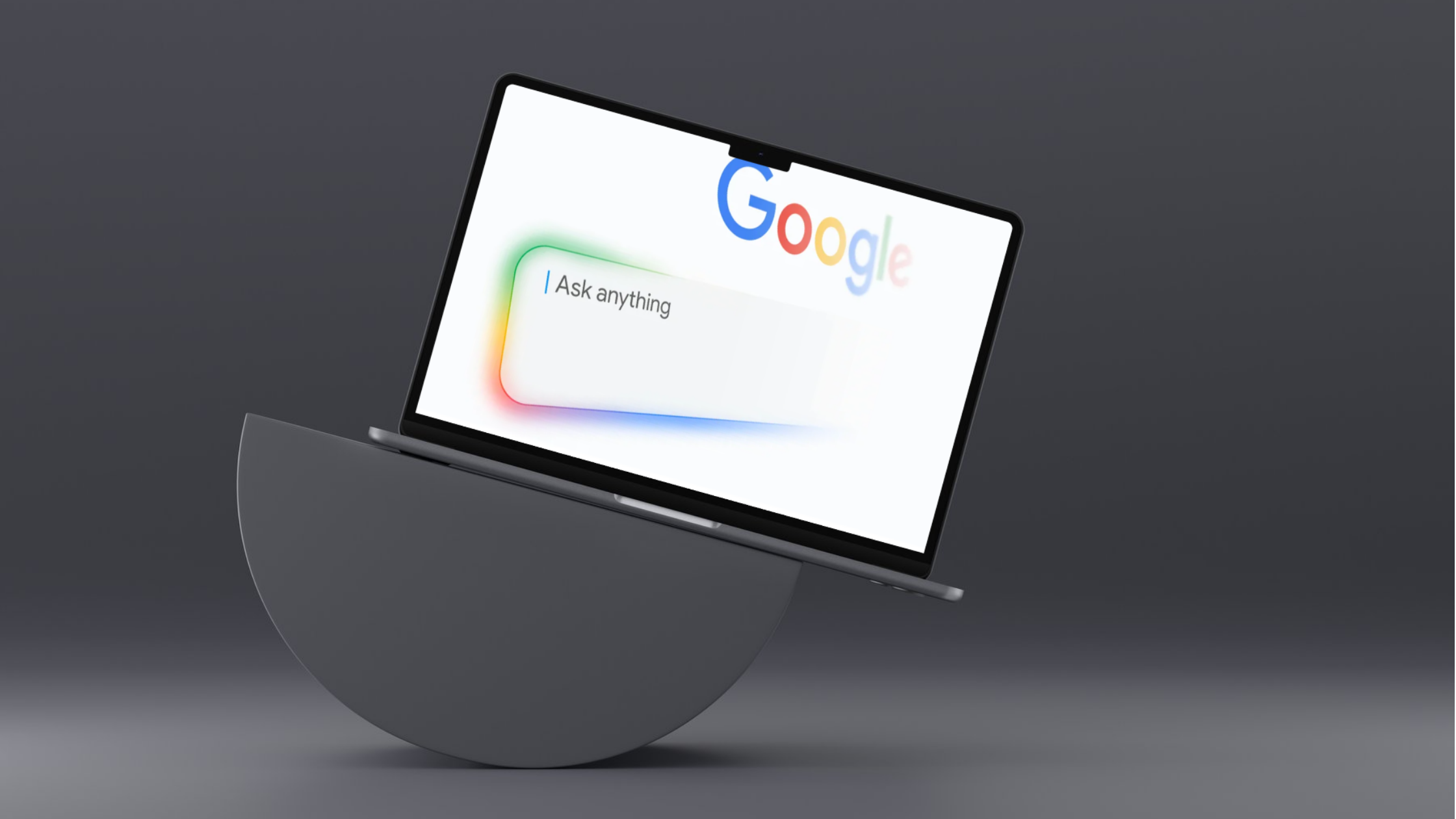
On May 19, 2026, Google launched the Intelligent Search Box. It is the biggest change to Google’s search interface in 25 years. If you are a business owner who depends on being found online, what happened this week changes how your customers find you.
And if you work with Life in Motion, you were already prepared for it.
What Google Actually Changed
For 25 years, the Google search box was a simple text field. Type words, hit enter, get a list of websites. That model is over.
The new Intelligent Search Box expands dynamically as you type. It supports full conversational prompts, not just keywords. You can drag in images, upload files, even attach video clips. And once you get results, you can continue a back-and-forth conversation with Google’s AI to refine what you need.
Powering all of this is Gemini 3.5 Flash, Google’s latest AI model. The search box is no longer just a starting point. It is the entire experience.
The Numbers Business Owners Need to See
Google’s AI Mode now has over 1 billion monthly users. Queries typed into AI Mode are three times longer than traditional keyword searches. People are asking full questions, describing situations, and expecting direct answers.
Here is the stat that matters most: 93% of AI Mode queries result in zero clicks to traditional websites. The user gets their answer from Google’s AI and never visits a website at all.
Meanwhile, organic click-through rates have dropped 61% for queries where AI features appear, according to data from Seer Interactive. That is not a small dip. That is a structural shift in how search works.
Your Industry Is Already Affected
Over 75% of professional services queries now trigger AI Overviews. That includes legal searches, medical queries, home services, and financial planning. If you are an estate planning attorney, a pediatrician, or an HVAC company, most of the searches your potential customers run will be answered by AI before they ever see your website.
The question is whether Google’s AI mentions your business in that answer, or someone else’s.
Why Our Clients Were Ready Before the Announcement
At Life in Motion, we started building for this shift before Google confirmed it publicly. We called it Answer Engine Optimization, and we have been integrating it into every client strategy for over a year.
Here is what that looks like in practice.
Structured Data Across 17 Client Websites
We deployed JSON-LD schema markup across every client site we manage. This is the structured data that tells AI systems exactly what your business does, where you are located, what services you offer, and how to contact you. Our MarkUpMatty agent audits this schema continuously to ensure accuracy.
Google Business Profile Management
Every client has an actively managed Google Business Profile with weekly posts, updated service descriptions, and current business information. Google’s AI relies heavily on GBP data when making recommendations. A stale or incomplete profile means you do not get recommended.
Content Built on Real Expertise
We do not write generic articles filled with the same information available on every other website in your industry. Every piece of content we create is based on the real expertise of each client. When an attorney explains their specific approach to Medicaid planning, or a pediatrician describes how they handle a particular condition, that original perspective is exactly what AI systems prioritize.
AI Visibility Audits
We built a process to audit how each client appears in AI-generated results. Not just traditional search rankings, but whether your business gets cited, recommended, or mentioned when someone asks a conversational question about your services.
Google Confirmed Our Approach Five Days Before Rebuilding Search
On May 15, 2026, Google published an official guide to Answer Engine Optimization. The recommendations in that guide read like a checklist of what we have been doing for our clients: structured data, authoritative content, comprehensive business profiles, and technical infrastructure that AI systems can read and understand.
Five days later, Google rebuilt the search box around the very AI capabilities that guide was designed to support.
That timing is not a coincidence. Google has been moving toward this for years. The businesses that prepared are now showing up in AI Overviews and getting recommended to potential customers. The businesses that waited are watching their organic traffic decline and trying to figure out what changed.
What You Should Do Now
If your digital marketing strategy is still built around ranking for keywords and hoping people click through to your website, it is time to reassess. The search box that strategy was built for no longer exists.
The new reality requires your business to be understandable by AI systems. That means structured data, current and complete business profiles, and content that demonstrates genuine expertise rather than repeating what everyone else in your industry already says.
It also requires working with a team that saw this coming and built for it, not one scrambling to catch up now that the change is live.
We Built for This Before Google Announced It
That is not luck. That is strategy. While other agencies were still focused on keyword rankings and backlink counts, we were deploying the infrastructure that AI systems need to find, understand, and recommend our clients.
The Intelligent Search Box is live. AI Mode has a billion users. The businesses that are visible to these systems are winning. The ones that are not are becoming invisible.
If you want to understand where your business stands in this new search environment, we can show you. Book a call with our team and we will walk through exactly how AI systems see your business today and what needs to change.
You can also download our free AEO guide to start understanding what Answer Engine Optimization means for your industry.